When you match with someone new, the excitement of a fresh connection often brings a desire to share your life. You want to be open, authentic, and show that you are interested in getting to know the other person. However, in the digital age, the line between building rapport and oversharing sensitive data can be surprisingly thin. Finding the right balance is not about being paranoid; it is about ensuring that your journey toward a first date is as safe as it is enjoyable.
Building trust is a gradual process. In the beginning, you are essentially getting to know a stranger. While most people online have genuine intentions, it is vital to protect your "digital footprint" until you have established a baseline of trust in person. You can still be charming, funny, and deep without revealing the exact coordinates of your daily life.
Finding the Balance: What to Share and What to Save
The goal of early conversation is to establish compatibility. You want to know if your values align, if you share a similar sense of humour, and what you both are looking for in a relationship. This can be achieved perfectly well by sticking to "broad strokes" rather than granular details. Sharing your passions, your favourite spots in the Peak District, or your career aspirations helps build a connection without compromising your security.
According to guidance from the Information Commissioner’s Office (ICO), limiting the amount of personal information you share online is a fundamental step in protecting your identity. This includes being mindful of your full name, address, and workplace details. When you are chatting before a first date, consider these practical comparisons to help you navigate the conversation:
- Reasonable: "I work in healthcare in Manchester."
- Too much detail: Giving the name of the specific hospital, your exact ward, and your shift patterns.
- Reasonable: "I live in South London, near a lovely park."
- Too much detail: Sharing your full street address or identifying your block of flats before you have even met.
It is also wise to keep details about your children or family members private in the early stages. While being a parent is a significant part of your identity, protect their privacy by avoiding sharing their names, their schools, or photos where they are easily identifiable. You can discuss your lifestyle and relationship goals—such as wanting a partner who values family—without handing over a map of your children's daily routines.
If you are unsure whether your profile itself is revealing too much, you might find it helpful to review our guide on choosing the right photos for your profile. Often, the images we choose say more than we realise.
A quick warning: If a match immediately starts asking for your "full name for social media" or wants to know your exact home address to "see how far apart we live," take a step back. A respectful person will understand that these details are earned over time, not required for an initial chat.
The Digital Transition: From the App to WhatsApp
Many people feel a sense of progression when they move a conversation from a dating platform to a private messaging app like WhatsApp. While this can feel like a "level up" in the relationship, it also opens up new avenues for your personal data to be exposed. Your phone number is a powerful identifier. In many cases, it can be used to find your social media profiles, which might reveal your workplace, your family members, or even your home location through tagged photos.
Before making the jump, ask yourself if you feel comfortable with that person having a direct line to you 24/7. Staying on the dating platform for a little longer provides a layer of moderation and protection. Official safety campaigns like Stop! Think Fraud advise staying on the dating platform until you are completely comfortable, as this makes it harder for scammers to isolate you and apply pressure.
Photos are another hidden source of information. When you send a "casual snap" of your morning coffee or your pet, take a quick look at the background. Does it show:
- Your house number or street name through the window?
- Your car’s registration plate?
- An ID badge or mail on the counter?
- A specific local landmark that identifies exactly where you live or work?
Metadata in photos can also sometimes contain GPS coordinates, though most major messaging apps strip this data. Nevertheless, the visual cues in a photo can tell a story you might not be ready to share. If you are ever worried about the financial side of these interactions, especially if a match starts asking about your income or bank, please refer to our advice on protecting your finances during the dating process.
"Trust is a currency that should be spent wisely. You don't owe anyone your personal history or your private data just because you’ve had a few good days of chatting."
Setting Boundaries and The Power of 'No'
Setting boundaries is an essential part of dating. It isn’t "rude" or "suspicious" to decline to answer a question that feels too personal. In fact, how your match reacts to your boundaries is one of the best indicators of their character. A person who respects your pace and your privacy is showing that they value your comfort. Conversely, someone who pressures you or tries to make you feel guilty for being cautious is waving a significant red flag.
You might find yourself in a situation where the other person shares a lot of personal information very quickly. They might tell you where they live, show you their ID, or talk about their financial successes. Do not feel obligated to match this level of sharing. Sometimes, "over-sharing" is a tactic used to create a false sense of intimacy or to pressure you into reciprocating. You have the right to keep your details private regardless of how much the other person chooses to reveal.
When it comes to the first date itself, the "where" is just as important as the "who." Always suggest meeting in a well-lit, busy public place—perhaps a popular cafe in the city centre or a well-known bistro. Avoid the temptation to have them pick you up from your house or to meet at a private residence for the first time. Keeping your home address private until you have met in person and feel a genuine sense of safety is a standard practice for experienced daters.
For more detailed steps on how to prepare for your first encounter, visit our first-date safety tips. We cover everything from transport to letting a friend know your location.
Ultimately, getting to know someone is a beautiful process that shouldn't be rushed. As your connection grows, you will naturally find more opportunities to share the details of your life. By keeping your sensitive information close to your chest in the beginning, you create a safe environment for a real relationship to flourish. If you ever feel overwhelmed or unsure, you can always check back at our safety hub for the latest advice on navigating the modern dating world.
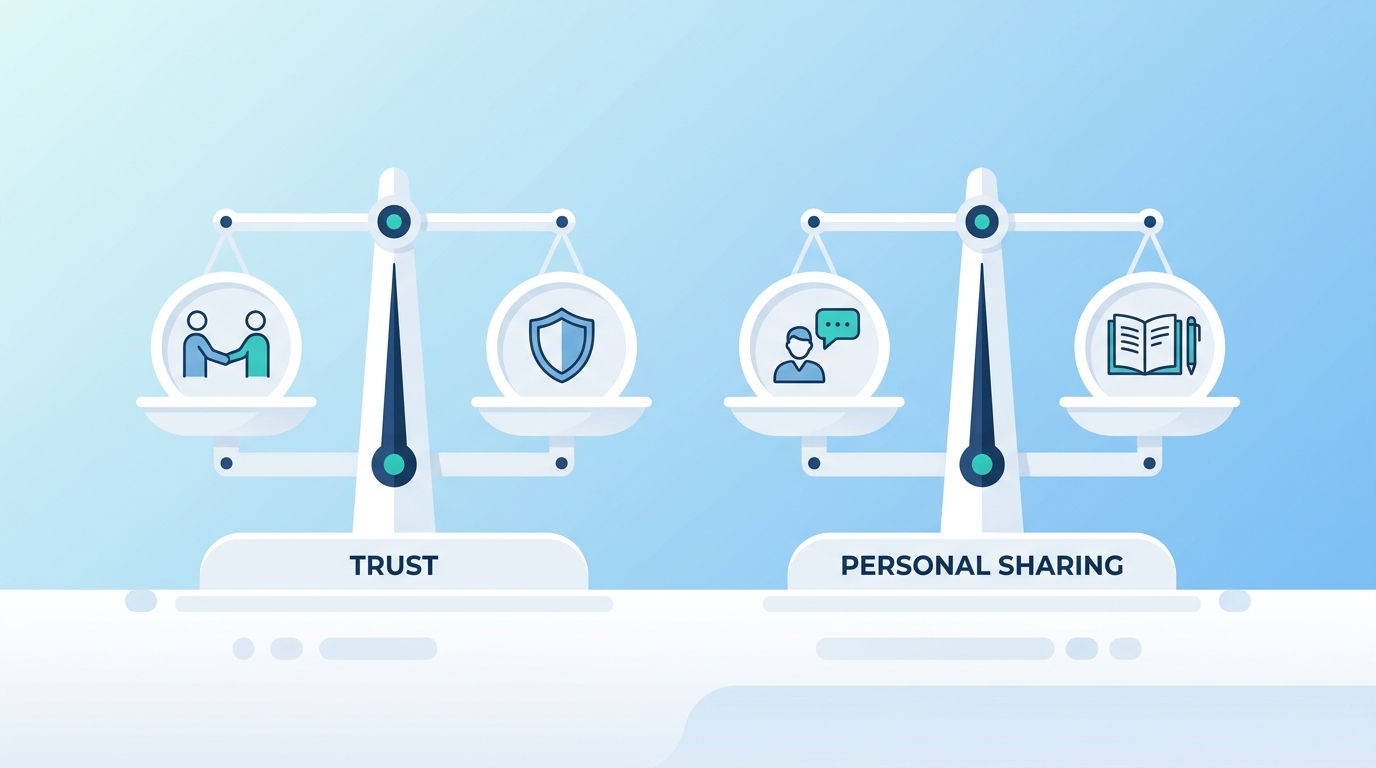
Remember: the goal is to let trust and personal information develop at roughly the same pace. If the information is moving faster than the trust, it’s time to slow down. Enjoy the journey of discovery, but keep your map private until you’re sure who you’re travelling with.