Meeting someone new can be one of the most exciting aspects of modern life. Whether you have been chatting for a few days or several weeks, that transition from a digital screen to a face-to-face encounter is a significant milestone. It is perfectly natural to feel a mix of anticipation and perhaps a little bit of nervous energy. Taking a few practical steps to manage your safety is not about being suspicious or fearful; rather, it is about creating a secure environment that allows you to relax and focus on the person sitting across from you. When you have a solid plan in place, you can let your personality shine through without the nagging worry of "what if."
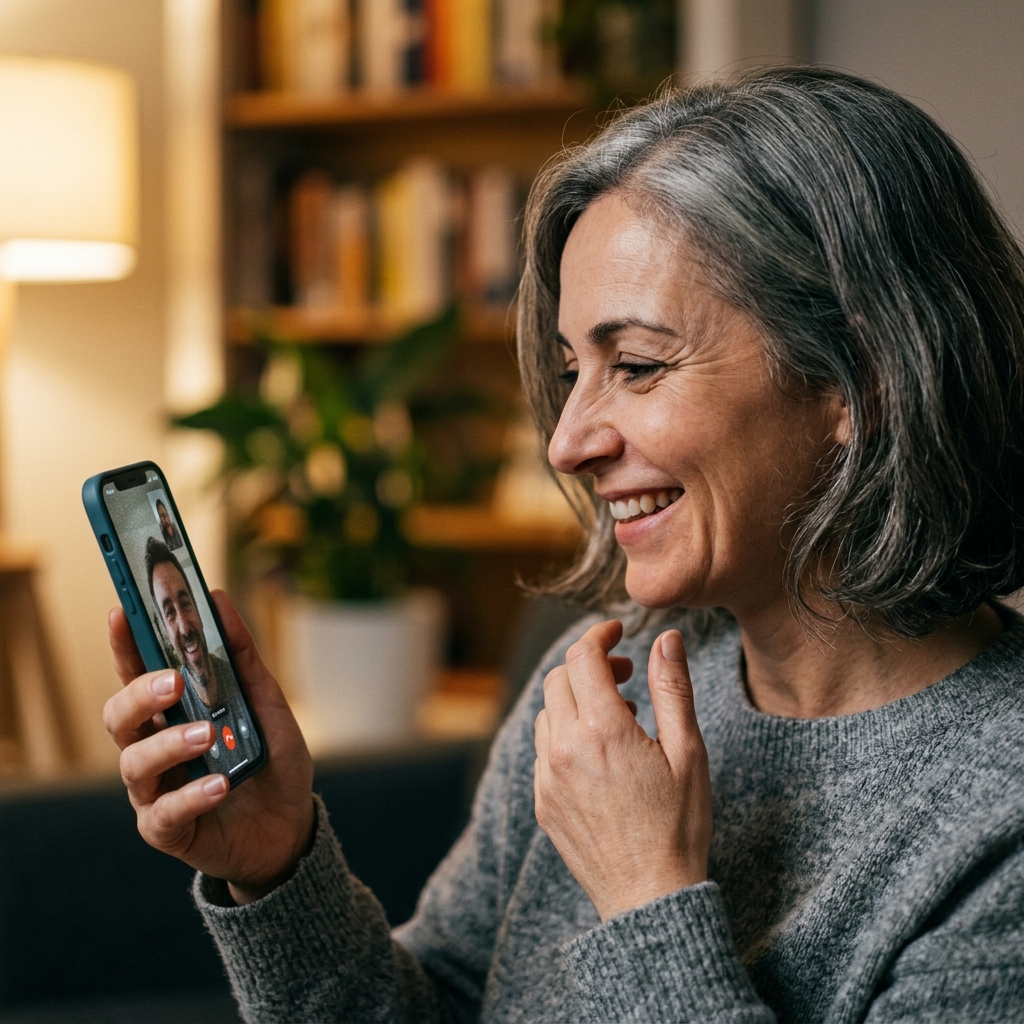
The foundation of a positive first date starts long before you arrive at the venue. One of the most effective ways to bridge the gap between an online profile and a real person is to suggest a quick video or phone call. This simple step serves several purposes. Firstly, it confirms that the person you have been messaging matches their photos and general description. Secondly, it helps you gauge their conversational style and "vibe." A ten-minute chat can often tell you more than a week of texting. If they seem hesitant or repeatedly make excuses to avoid a call, take note of that. Most genuine people who are looking for a connection will understand and even appreciate the suggestion, as it adds a layer of comfort for both parties.
"Safety planning is a form of self-care. It allows you to enter a new situation with confidence, knowing that you have looked after your own wellbeing."
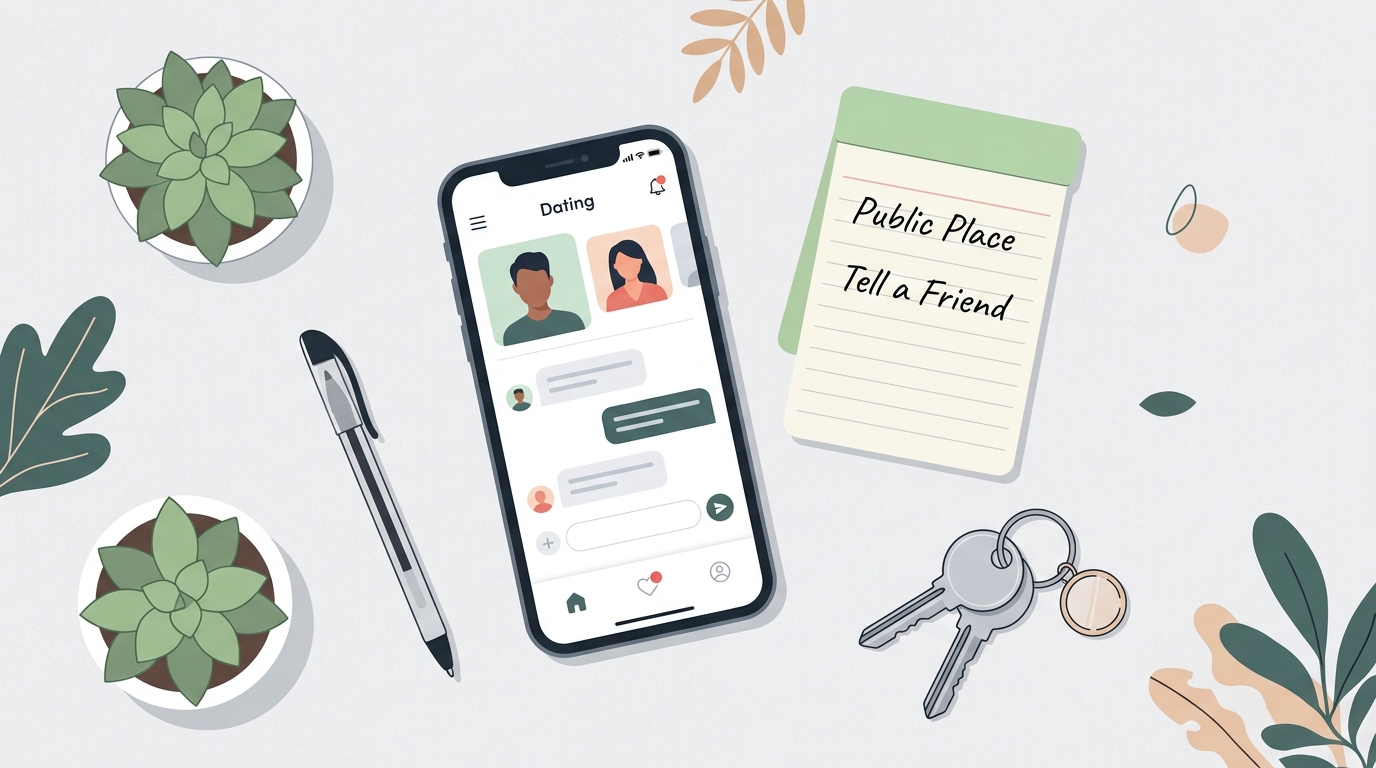
When it comes to choosing where to meet, the golden rule is to always opt for a busy, public setting. A local café in a bustling high street, a popular pub, or a well-lit restaurant are all excellent choices. Avoid meeting at someone’s home, inviting them to yours, or going to a secluded location like a private park or a quiet walking trail for the first time. Public spaces offer the presence of others—staff and fellow patrons—which naturally encourages respectful behaviour. Furthermore, a public venue gives you the freedom to arrive and leave independently. If the date is going well, you can always stay for another coffee, but if it isn’t, it is much easier to conclude the meeting in a neutral environment.
- The Daytime Coffee Date: Meeting for a flat white at 2:00 PM in a busy city centre café is low-pressure and inherently safe due to the high footfall.
- The "Check-in" Buddy: Send a quick text to a friend saying: "Meeting [Name] at [Venue] at 7:00 PM. Will text you when I'm home."
- The Independence Rule: Always have your own way home, whether that is your own car, a pre-booked taxi, or knowledge of the local train timetable.
How to stay comfortable and in control during the date
Once you arrive at your date, your main objective is to enjoy the conversation and see if there is a spark. However, staying in control of your surroundings remains important. One of the easiest ways to maintain clarity of judgement is to be mindful of your alcohol consumption. While a glass of wine or a pint can help break the ice, drinking excessively can cloud your intuition and make it harder to navigate boundaries. If you do choose to drink, keep your glass in your sight at all times. The same applies to your personal belongings, such as your phone and bag. In the UK, many venues participate in safety schemes like "Ask for Angela." If you ever feel uncomfortable or unsafe, you can approach the bar staff and ask for "Angela"; they are trained to help you leave the situation discreetly and safely.
Maintaining your privacy is another key aspect of staying in control. In the early stages of dating, there is no need to share sensitive personal information. This includes your home address, the specific company you work for, or detailed information about your daily routine (like exactly where you go to the gym every morning). As trust develops over time, these details will naturally come out, but for the first few meetings, it is sensible to keep things general. This ensures that you retain control over who has access to your private life until you are certain you want them there.
Important: Never feel pressured to share your home address or let your date pick you up from your house. Providing your own transport ensures you can leave whenever you choose.
It is also a good idea to keep the first date relatively short. A defined timeframe—say, an hour or two—makes the encounter feel more manageable. If you are having a wonderful time, you can always arrange a second, longer date. If the chemistry isn't there, a shorter duration makes for a much easier exit. Remember, you are in charge of your time. If at any point you feel that your boundaries are being pushed, or if the other person becomes overly persistent or aggressive, you have every right to end the date immediately. You do not owe anyone a certain amount of time, a physical gesture, or a follow-up meeting simply because they bought you a drink or spent an hour talking to you.
Trusting your instincts is perhaps the most vital tool in your kit. If something feels "off," even if you cannot quite put your finger on why, listen to that feeling. Our brains are excellent at picking up on subtle cues that suggest a situation might not be right. You don't need a "valid" reason to want to leave; feeling uncomfortable is reason enough. A simple, polite "I don’t think we’re a match, but thank you for the drink. I’m going to head home now," is a perfectly acceptable way to conclude the evening.
What to do if something does not feel right
Sometimes, despite our best preparations, a date might not go as planned. If you find yourself in a situation where the other person’s behaviour is concerning, it is important to act decisively. If you have already left the date and decided you do not wish to see them again, it is best to be clear but firm. A brief message stating that you didn't feel a connection is usually enough. If they continue to contact you after you have made your boundaries clear, or if their messages become harassing or inappropriate, do not hesitate to use the block and report functions on the dating app. These tools are there for a reason, and reporting helps the platform keep other users safe as well.
Financial requests are a major red flag in the world of online dating. Regardless of how long you have been talking or how convincing a story might seem, you should never send money to someone you have met online, especially if you have not met in person or have only met once or twice. Genuine people looking for a romantic connection will not ask you for financial assistance, bank details, or help with a "sudden emergency." If money becomes a topic of conversation or if there is any pressure to engage in financial transactions, it is a clear sign to cut contact immediately.
After the date, once you are back in your own space, it is good practice to let your "check-in" buddy know that you are home safe. This closes the loop on your safety plan and lets your friend or family member relax as well. If the date was a success, you can spend time reflecting on what you enjoyed. If it wasn't, try not to be discouraged. Every dating experience is a learning opportunity that helps you refine what you are looking for in a partner and how you prefer to manage your personal safety.
- Scenario: Your date insists on walking you to your car or your front door, but you would prefer they didn't. Response: "That’s kind of you, but I’m happy to walk from here. I’ll send you a message when I'm home. Goodnight!"
- Scenario: Someone you met once starts asking for a "small loan" for a car repair. Response: Do not engage. Block the profile and report it to the dating service.
- Scenario: You feel uncomfortable during dinner because the other person is making inappropriate comments. Response: "I'm not comfortable with this conversation. I'm going to settle my part of the bill and head home now."
In summary, while the vast majority of people using online dating are genuine and looking for the same things you are, taking these practical steps ensures that you remain the architect of your own experience. Safety measures shouldn't make dating feel like a chore; instead, they provide the structure that allows you to explore new relationships with a clear head and a sense of security. By choosing public venues, keeping your transport independent, and trusting your gut, you can focus on what really matters: finding a meaningful connection with someone who respects you and your boundaries.