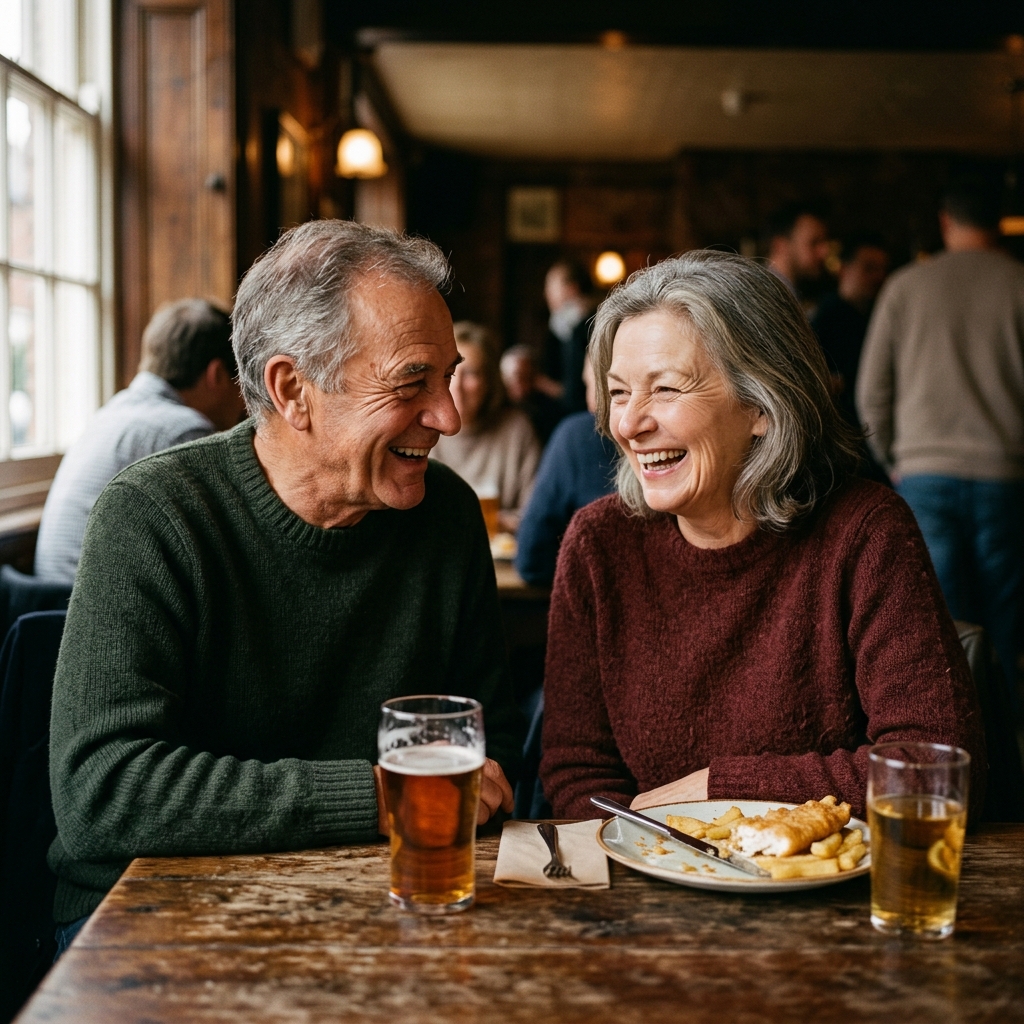
Entering the dating world after 60 is often a vastly different experience than it was in your twenties or thirties. Back then, many of us were looking for a partner to build a life with—someone to share a mortgage, career ambitions, and perhaps the challenges of raising a family. Today, those traditional milestones have likely been met or replaced by a new set of priorities. You might find that your goals have shifted from "building" a life to "enhancing" the one you already have. This phase of life offers a unique freedom: the ability to define a relationship on your own terms, without the societal pressures that often dictate how younger couples should live.
Your past experiences, whether they include a long marriage, years of independence, or the loss of a partner, deeply influence what you look for now. You might cherish your autonomy and the peace of your own home, or you might find that you miss the daily rhythm of a shared household. Neither preference is right or wrong, but acknowledging how your history shapes your present needs is the first step toward a fulfilling connection. In the UK, where many over-60s are active in local communities, from Ramblers groups to University of the Third Age (U3A) classes, dating is less about finding a missing piece and more about finding a companion who complements your existing lifestyle.
"At this age, we aren't looking for someone to grow up with; we are looking for someone to grow old with, while still holding onto the person we’ve worked so hard to become."
- Independence vs. Integration: You may have spent years cultivating a home that is exactly how you like it. The idea of compromising on decor or daily routines might feel less appealing than it once did.
- Emotional Maturity: After decades of life experience, you likely have a clearer understanding of your boundaries and what you will—and will not—tolerate in a partner.
- The Role of Family: Adult children and grandchildren often play a significant role in your schedule. A new relationship needs to fit into this existing family tapestry rather than replacing it.
It is also important to consider the logistical side of things. Many people in their sixties and seventies in the UK are navigating retirement plans, inheritance considerations, or even the desire to relocate to the coast or countryside. These factors can influence whether you are looking for a "plus one" for social events or a partner to share a permanent residence with.
Companionship, Commitment, and Everything in Between
The beauty of modern dating over 60 is the spectrum of relationship models available. There is no longer a "one size fits all" approach. For some, the ideal is a committed, long-term partnership that looks traditional—living together, perhaps even marriage, and shared finances. For others, the concept of "Living Apart Together" (LAT) is far more attractive. This involves a committed, exclusive relationship where both partners maintain their own separate homes. This allows for deep emotional intimacy and shared experiences while preserving individual space and independence.
Then there is companionship. This is a meaningful connection based on shared interests, regular contact, and emotional support, but it may not involve the same level of legal or financial entanglement as a traditional partnership. You might want someone to go to the theatre with, someone to join you on a walking holiday in the Lake District, or someone to call at the end of a long day, without the pressure of "what comes next." It is vital to remember that companionship is not a "lesser" version of a relationship; for many, it is the most rewarding way to experience a connection at this stage of life.
Consider these realistic scenarios of how needs can differ:
- The Independent Traveller: Imagine a woman who has spent the last decade enjoying her solo travels. She meets someone she truly cares for, but she isn't ready to give up her solo trips or merge her finances. They decide to remain in their own flats, meeting up three or four times a week for dinner and spending weekends together, while keeping their midweek routines separate.
- The Activity-Based Connection: Someone might primarily be looking for a partner to share specific hobbies, like ballroom dancing or gardening. What starts as a shared interest can grow into a deep emotional bond, but the focus remains on the joy of shared activities rather than a shared household.
- The Evolving Bond: You might start out thinking you only want something casual—perhaps a bit of company on a Sunday afternoon. However, as you get to know someone, you might find your feelings deepening, leading you to realise that you are actually open to a much more committed, full-time partnership than you initially thought.
Warning: Be careful not to let "casual" become a synonym for "unimportant." Even if you aren't looking for marriage, any relationship involving another person's feelings requires respect, honesty, and clear boundaries.
Shared experiences often carry more weight than traditional milestones now. Instead of marking the years by house moves or promotions, you might mark them by the trips you’ve taken, the support you’ve given each other during health scares, or the quiet joy of a shared hobby. Whether it’s a serious relationship or a deep companionship, the value lies in how that person makes you feel and how they enrich your daily life.

How to Understand and Communicate What You Want
Clarity is your greatest tool when dating in your sixties. Before you even head out on a first date, take some time to reflect on your "non-negotiables." Do you truly want someone to live with you? How much time do you realistically want to spend with a partner versus your friends, family, or alone? Knowing these answers doesn't make you rigid; it makes you a better communicator. When you know what you want, you can share those expectations early on, preventing misunderstandings later.
Communicating your needs doesn't have to feel like a formal interview. It can be woven into natural conversations. Instead of asking "What are your intentions?", you might say, "I’ve really come to value my independent mornings, but I love having someone to share a meal with in the evening. How do you feel about your own routine?" This opens the door for your date to share their perspective without feeling pressured to provide a "correct" answer. It is important not to assume that just because you are both over 60, you both want the same thing. One person might be dreaming of a second marriage, while the other is strictly looking for a "theatre buddy."
According to safety guidelines from official sources like the Get Safe Online campaign and the National Cyber Security Centre, transparency is also a safety feature. Being clear about who you are and what you want helps build a foundation of trust. However, always remember to keep personal details like your home address or financial status private until a deep level of trust has been established over time.
- Be Honest with Yourself: If you feel lonely and want a full-time partner, don't settle for a casual arrangement just to have someone around.
- Be Open to Change: It is perfectly okay to change your mind. You might start a relationship wanting a lot of space and find that, with the right person, you actually want more closeness. Communication should be ongoing, not a one-time event.
- Respect Different Paths: If you discover that you and your partner want different things—perhaps one wants to move in and the other doesn't—discuss it respectfully. Sometimes, a compromise can be found; other times, it’s a sign that you are looking for different types of happiness.
Ultimately, there is no "correct" way to conduct a relationship after 60. Whether you find a partner to marry, a companion for weekend walks, or a "Living Apart Together" arrangement that gives you the best of both worlds, the goal is the same: to find a level of closeness and commitment that fits your life as it is today. By being honest about your needs and staying open to the needs of others, you can create a connection that is both meaningful and sustainable, however you choose to define it.