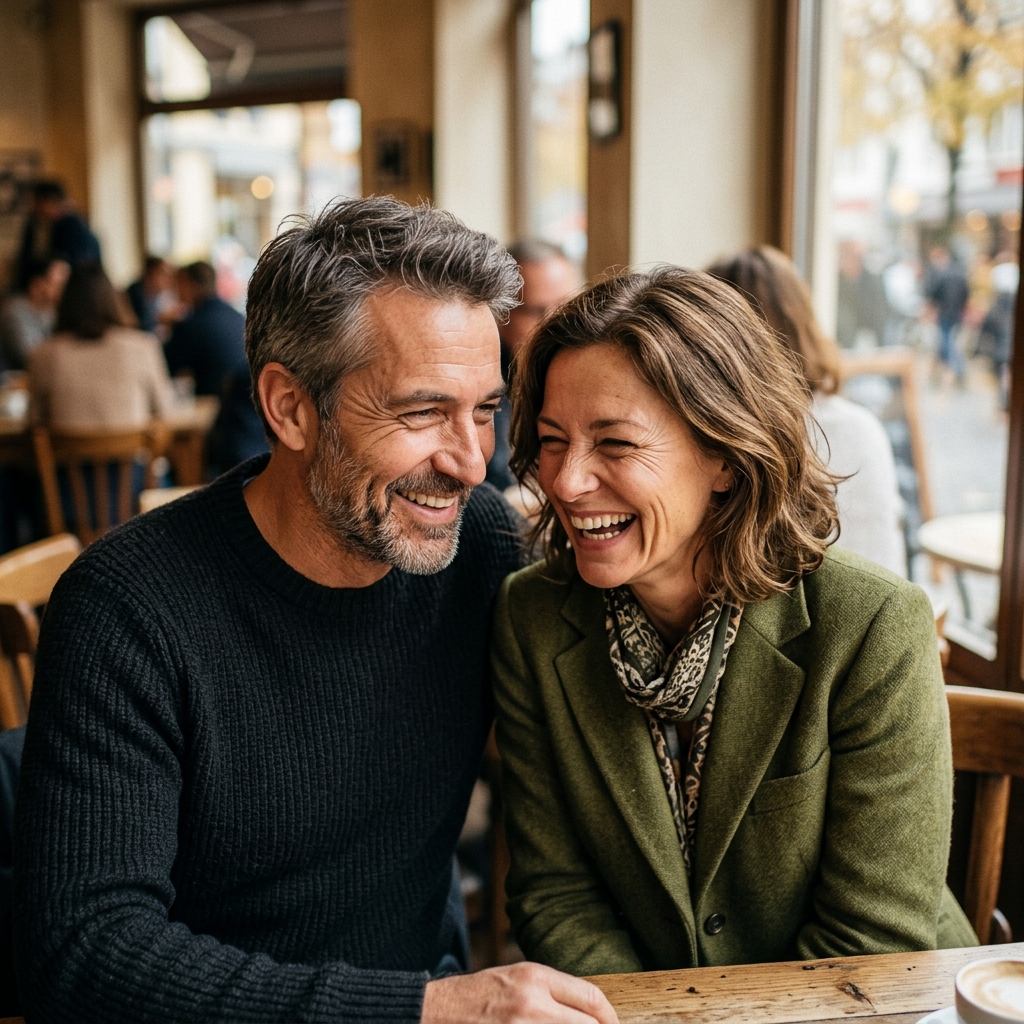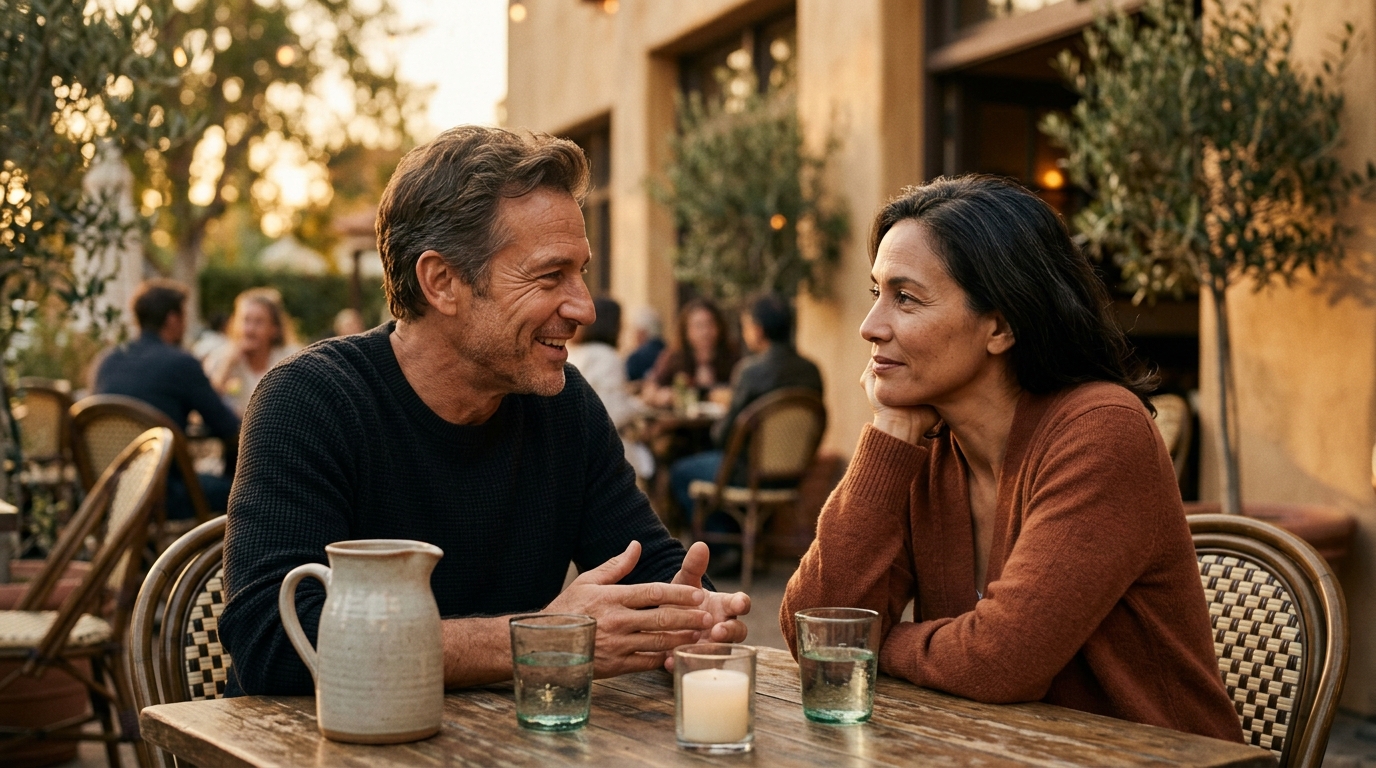
When you enter the dating world in your 40s, you might notice that the landscape feels fundamentally different from your earlier experiences. It isn’t necessarily that the "rules" have changed, but rather that you have. By the time you reach this decade, you have likely accumulated a wealth of life experiences—ranging from career peaks and troughs to perhaps navigating long-term relationships, marriage, or parenthood. These experiences act as a filter, shifting how you perceive potential partners and what you hope to gain from a new connection.
In your 20s or 30s, dating often revolves around "becoming"—you are looking for someone to build a life with, to grow alongside, and perhaps to hit traditional milestones with. By your 40s, the focus often moves toward "being." You likely already have a sense of who you are, what your daily routine looks like, and what your core values are. Consequently, you may find yourself less interested in someone’s "potential" and far more focused on their current reality and how it aligns with yours. This shift isn't about being cynical; it is a form of grounded intentionality that comes from knowing yourself better than you did a decade or two ago.
"Dating in your 40s often means trading the rollercoaster of uncertainty for the steady ground of self-awareness."
Time also begins to feel like a more precious currency. Many people in their 40s find they have less patience for "situationships" or vague intentions. Whether you are looking for a lifelong partner, a companion for travel, or something more casual, there is often a greater desire for transparency. You are likely more aware that every hour spent with someone who doesn’t truly fit your life is an hour taken away from your career, your children, your friends, or your own well-deserved peace. This awareness naturally leads to becoming clearer about personal boundaries and non-negotiables.
Refining What Truly Matters: Beyond the Surface Spark
In the past, you might have been driven primarily by chemistry—that immediate, electric feeling that can sometimes mask a lack of compatibility. While attraction remains a vital component of any romantic connection, many singles in their 40s find that their priorities have expanded to include qualities that ensure long-term stability and emotional safety. You might find that you now place a higher premium on consistency, emotional maturity, and reliability than you once did.
Consider the shift in how we view "excitement." In younger years, unpredictability can sometimes be mistaken for passion. In your 40s, that same unpredictability often feels like a red flag. You may find yourself drawn to the person who texts when they say they will, who shows up on time, and whose actions consistently match their words. This isn't because you've "settled," but because you’ve realised that a healthy relationship is built on a foundation of trust rather than a series of high-octane dramas.
- Consistency over Intensity: Valuing the person who is reliably "there" rather than someone who is hot and cold.
- Lifestyle Compatibility: Recognising that different habits regarding fitness, finances, or socialising can be dealbreakers.
- Emotional Intelligence: Seeking a partner who can communicate their feelings and handle conflict without withdrawing or escalating.
- Shared Values: Understanding that while interests can differ, core beliefs about kindness, family, and integrity must align.
For those with established lives, the "fit" becomes more complex. For example, if you have children, you are no longer just dating for yourself; you are looking for someone whose lifestyle and temperament can respect the reality of your family commitments. Even without children, your established routines—your Friday nights at the local pub, your Sunday morning runs, or your commitment to your career—are parts of your identity that you may be less willing to compromise on. You are looking for a "partner in crime" who complements your life rather than someone you have to overhaul your entire existence for.
Example: Take Sarah, who in her 20s was always attracted to "the life of the party." Now, as a busy professional with a teenage daughter, she finds herself prioritising a partner who values a quiet Sunday morning and communicates clearly about their plans for the week. For her, the "spark" now comes from feeling understood and respected.
The Balance Between Healthy Standards and Rigidity
With greater self-awareness comes the risk of becoming too set in your ways. There is a delicate balance between having healthy, non-negotiable standards and creating a "checklist" so specific that no human being could ever fulfill it. It is helpful to distinguish between your core values—things like honesty, empathy, and reliability—and your mere preferences, such as a partner’s height, their specific hobbies, or whether they like the same obscure indie bands as you do.
Previous relationships, whether they were long-term marriages or shorter dating experiences, inevitably shape your current expectations. This can be useful when it helps you spot unhealthy patterns early on. However, it can become a hindrance if you find yourself "dating your ex’s ghost." If you spend every first date looking for the flaws of your last partner in a new person, you might miss out on a wonderful connection that looks different from what you’re used to. Staying open-minded means allowing a new person to show you who they are, rather than assuming they will repeat the mistakes of someone from your past.
Example: Consider David, who initially thought he could only date someone who was also a high-flying executive because he valued "ambition." By staying open, he met someone who worked in the arts—a completely different field—but who shared his core values of discipline and intellectual curiosity. He learned that ambition can manifest in many ways, and his initial rigidity would have cost him a deep connection.
Warning: While it’s important to be firm on your dealbreakers, try to avoid "defensive dating." This is when you lead with your boundaries as a way to keep people at arm's length. True intimacy requires a certain level of vulnerability, which can feel daunting after you’ve been hurt. The goal is to be "discerning yet accessible." You can have high standards for how you are treated while still remaining curious and kind toward the people you meet.
Ultimately, dating in your 40s is an opportunity to be more intentional. You are no longer navigating the dark without a map; you have a much better sense of the terrain. Whether you are looking for a serious commitment or you are being more selective about whether you want to merge your life with someone else’s at all, you are doing so from a position of strength. You know what you bring to the table, and you are less likely to accept a seat at a table where you aren’t truly valued.
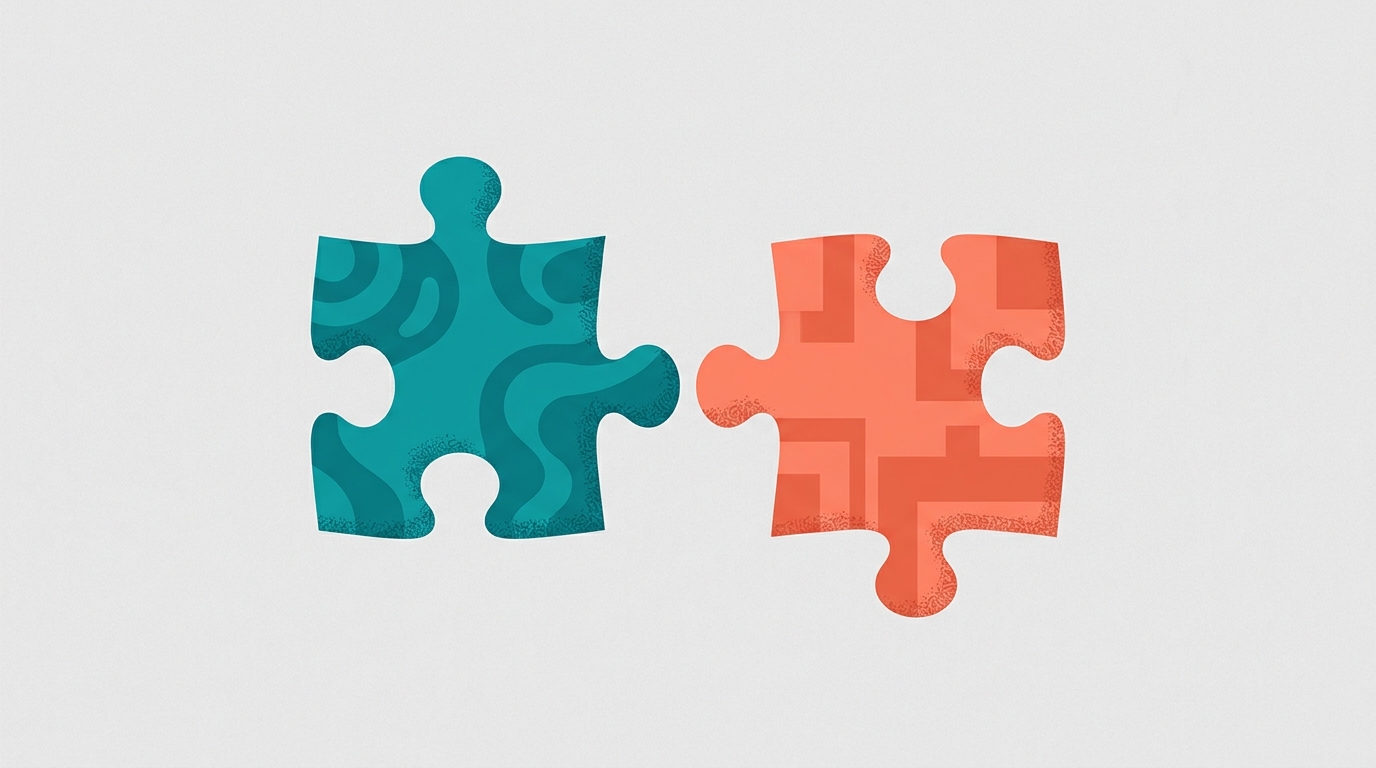
As you move forward, remember that your priorities may continue to shift as you meet new people. This is part of the process. Stay grounded in what you have learned from your journey so far, but leave enough room for the pleasant surprises that come when two people with fully formed lives decide to make space for one another. Dating in your 40s isn't about finding the "missing piece" of a puzzle; it’s about finding someone whose puzzle piece sits comfortably alongside yours, creating a bigger, more vibrant picture than you had before.