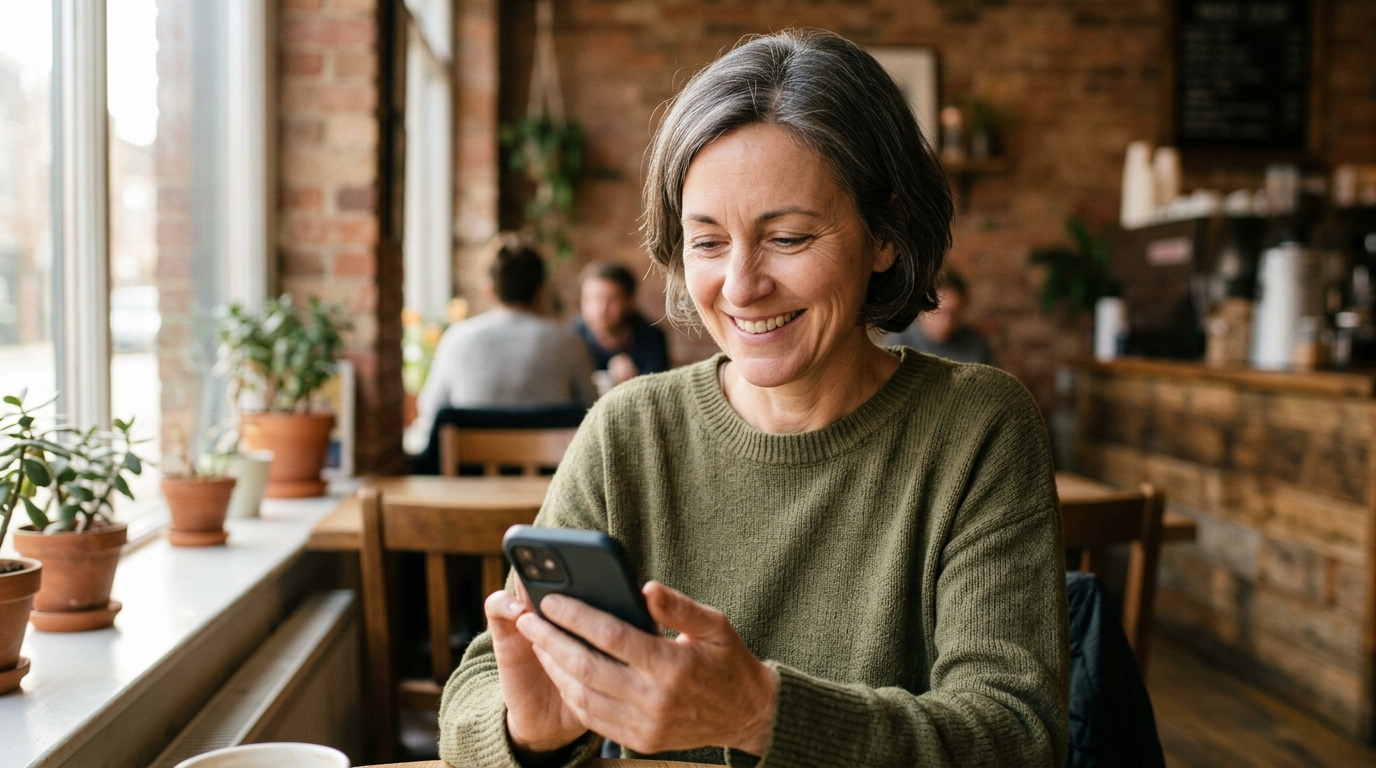
When you start browsing a dating app, the first thing you notice isn't someone’s choice of adjectives or their taste in music—it’s their photos. We often talk about not judging a book by its cover, but in the world of online dating, your photos are the cover that encourages someone to read the rest of the story. The goal of your profile images isn't to present a curated, untouchable version of yourself, but to offer an honest, approachable glimpse into who you are. A great set of photos makes you look like a real person someone could actually imagine meeting for a coffee or a walk in the local park.
Authenticity is far more attractive than perfection. When you choose photos that truly look like you, you’re setting the foundation for a successful first date. There is a specific kind of confidence that comes from saying, "This is me on a Tuesday afternoon," rather than relying on a photo from five years ago or one hidden behind heavy digital filters. You want your date to recognise you immediately when you walk into the room, avoiding that initial moment of hesitation or confusion that comes when a profile doesn't match reality.
What makes a strong main profile photo
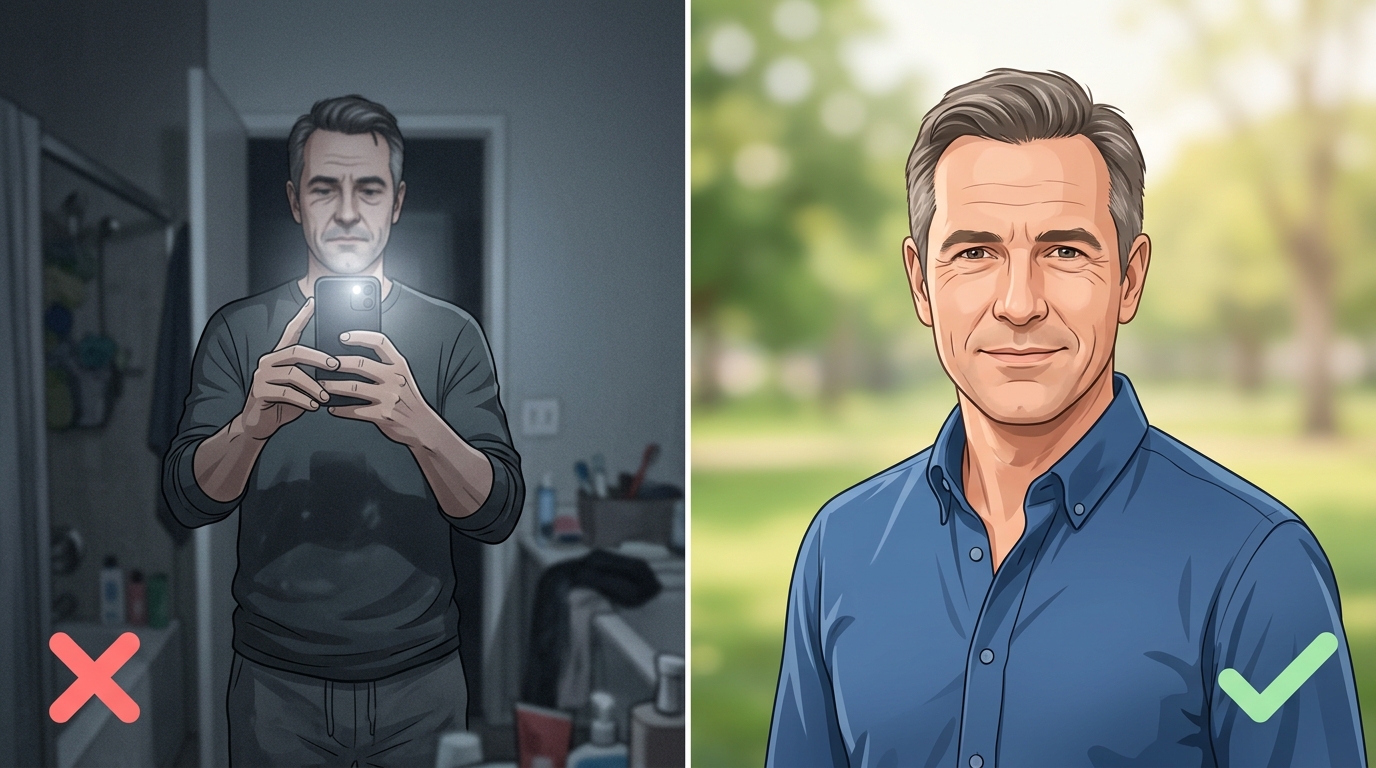
Your first photo is essentially your digital handshake. It’s the image that does the heavy lifting, so it needs to be clear, bright, and focused on you. A head-and-shoulders shot is usually the most effective choice for a main image. It allows others to see your facial features clearly without any distractions. You don't need a professional photographer for this; a modern smartphone and a bit of natural daylight are more than enough to create a high-quality image that feels personal and warm.
Natural light is your best friend when it comes to photography. If you can, take your photos outdoors during the day or near a large window. Soft, natural light smooths out features and makes your eyes look bright without the harsh shadows that indoor lighting or a camera flash can create. It’s also important to consider your expression. While you don't have to have a wide, beaming smile if that doesn't feel like you, an approachable and relaxed look generally gets a better response than a serious or "moody" pose.
"A good main photo shouldn't just show what you look like; it should give a sense of your energy. Aim for clarity and a look that says you’re open to starting a conversation."
- The "Clear Headshot": A photo from the chest up, where you are looking at the camera with a relaxed expression. Avoid wearing sunglasses or a hat in this first shot, as eye contact is key to building an initial sense of trust.
- The "Natural Light" Example: Standing outside in a garden or a quiet street on an overcast day. The light is even, there are no squinting eyes from the sun, and your features are easy to see.
- What to avoid: A grainy selfie taken in a dark room or a mirror selfie where the phone covers half of your face. These often feel rushed and don't give the best impression of your effort.
How to build a balanced set of dating photos
Once you’ve nailed the main photo, the rest of your gallery should tell a bit more of your story. A balanced profile usually consists of four to six photos. This number is generally enough to show variety without being overwhelming. Think of your photo gallery as a mini-portfolio of your life. If every photo is a selfie taken from the same angle in your car or bedroom, it doesn't give a potential match much to talk about. Variety is the key to making your profile feel three-dimensional.
Including at least one full-body photo is a great way to show confidence. It’s not about your shape or size; it’s about being transparent and comfortable in your own skin. People appreciate knowing what to expect, and a full-length shot provides a realistic sense of your presence. Beyond that, "activity shots" are fantastic conversation starters. Whether you’re browsing a bookshop, hiking, or sitting in a café with a tea, these images show you in your natural habitat and give people an easy opening line to message you with.
Practical examples of a balanced set:
- The Hobby Shot: A photo of you actually doing something you enjoy, like tending to plants, playing a musical instrument, or even just mid-laugh while cooking. It feels more "candid" and less "staged."
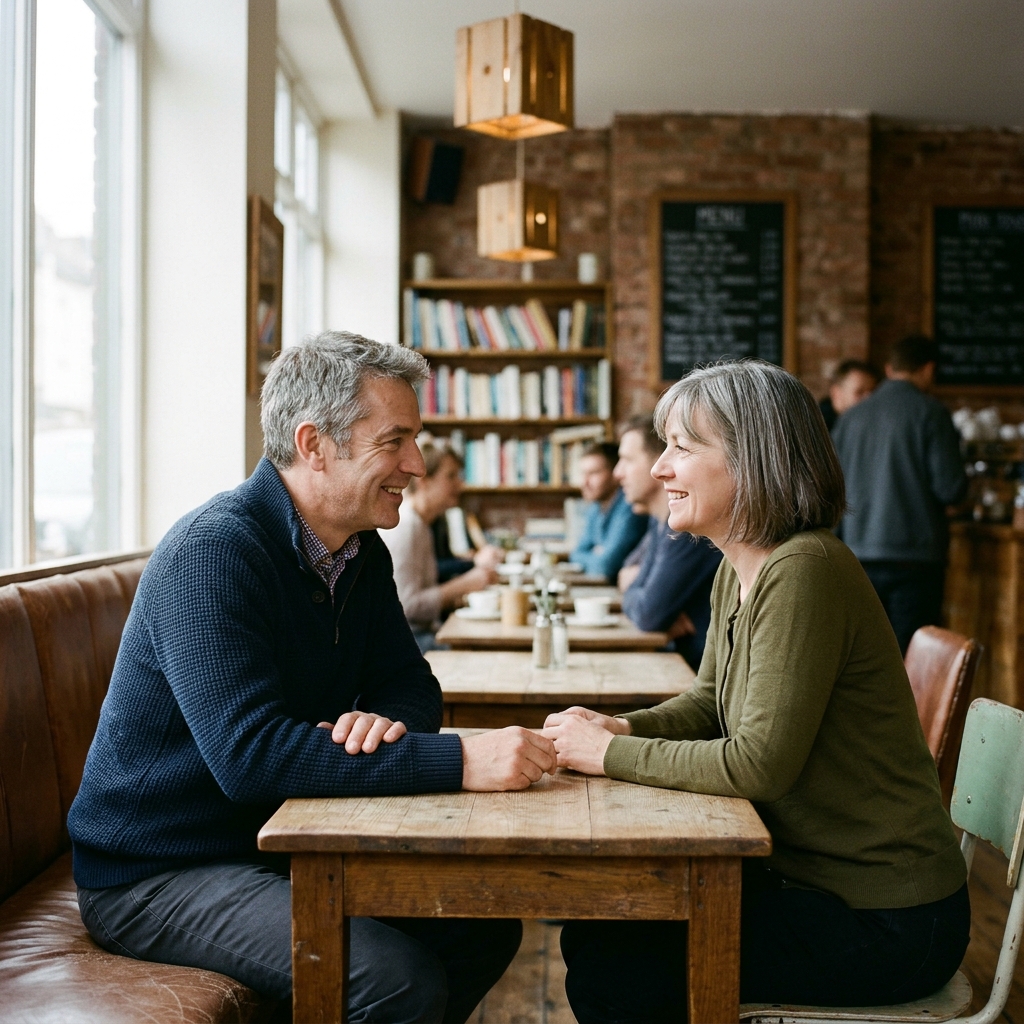
- The Café or Pub Scene: A relaxed photo of you sitting at a table. This shows you in a social setting where a date might actually take place, making it easier for someone to visualise being there with you.
- The "Out and About" Shot: A full-body photo taken by a friend while you're visiting a gallery or walking in the countryside. It shows you in your everyday clothes, looking comfortable.
Warning: Be mindful of your privacy. When choosing photos of your everyday life, ensure you aren't accidentally sharing your home address, car registration plate, or the name of the company where you work. It’s best to keep your specific locations private until you’ve built some trust with someone.
The difference between looking "polished" and looking "staged" is an important distinction. Polished means you’ve chosen clothes you like and found good lighting. Staged often means the photo looks like a professional advertisement—perfectly posed, perhaps a bit stiff, and lacking personality. Most people on dating apps are looking for a human connection, so photos that feel a bit more spontaneous and less like a corporate headshot tend to perform much better.
Common photo mistakes and how to avoid them
One of the most common pitfalls in online dating is the use of outdated photos. While we all have that one photo from a wedding three years ago where we looked particularly good, using it as a primary photo can lead to awkwardness. If you have changed your hair, lost or gained weight, or simply aged since the photo was taken, it’s time to take some new ones. Aim for photos taken within the last six to twelve months to ensure they are a true representation of who you are today.
Another frequent mistake is the over-reliance on filters or heavy editing. In an age of social media, it’s tempting to smooth out every line or brighten the colours of a photo until they no longer look natural. However, when you meet someone in person, those filters aren't there. If your photos are heavily edited, it can create a sense of "false advertising," even if that wasn't your intention. Staying away from filters shows that you are confident and genuine, which are both highly attractive qualities.
A few things to reconsider:
- The Mystery Group Shot: If your first photo is a group of four people at a festival, a potential match has to play a game of "Where’s Wally?" to figure out which one is you. Keep group shots to the end of your gallery, or better yet, avoid them to protect the privacy of your friends.
- The "Sunglasses Only" Profile: If every photo features you in shades, it’s hard to get a sense of your face. Eye contact is a huge part of human attraction and connection.
- The Repetitive Selfie: Having five photos all taken from the same high angle in your bathroom mirror doesn't add any new information to your profile. One selfie is fine, but try to mix it up with other types of shots.
- Including Children: Many people are proud parents, but including children in dating photos is a personal choice that requires thought regarding their privacy and safety. Often, it is better to mention you have children in your bio rather than featuring them in your photos on a public platform.
In summary, your dating profile photos are there to serve as a bridge between the digital world and a real-life meeting. You don't need to look like a model or have a life that looks like a travel brochure. What you need is a selection of images that are clear, current, and consistent with the person you are. By choosing photos where you are recognisable and approachable, you make it much easier for the right person to feel comfortable reaching out and saying hello. A strong first impression is built on the simple truth of who you are.