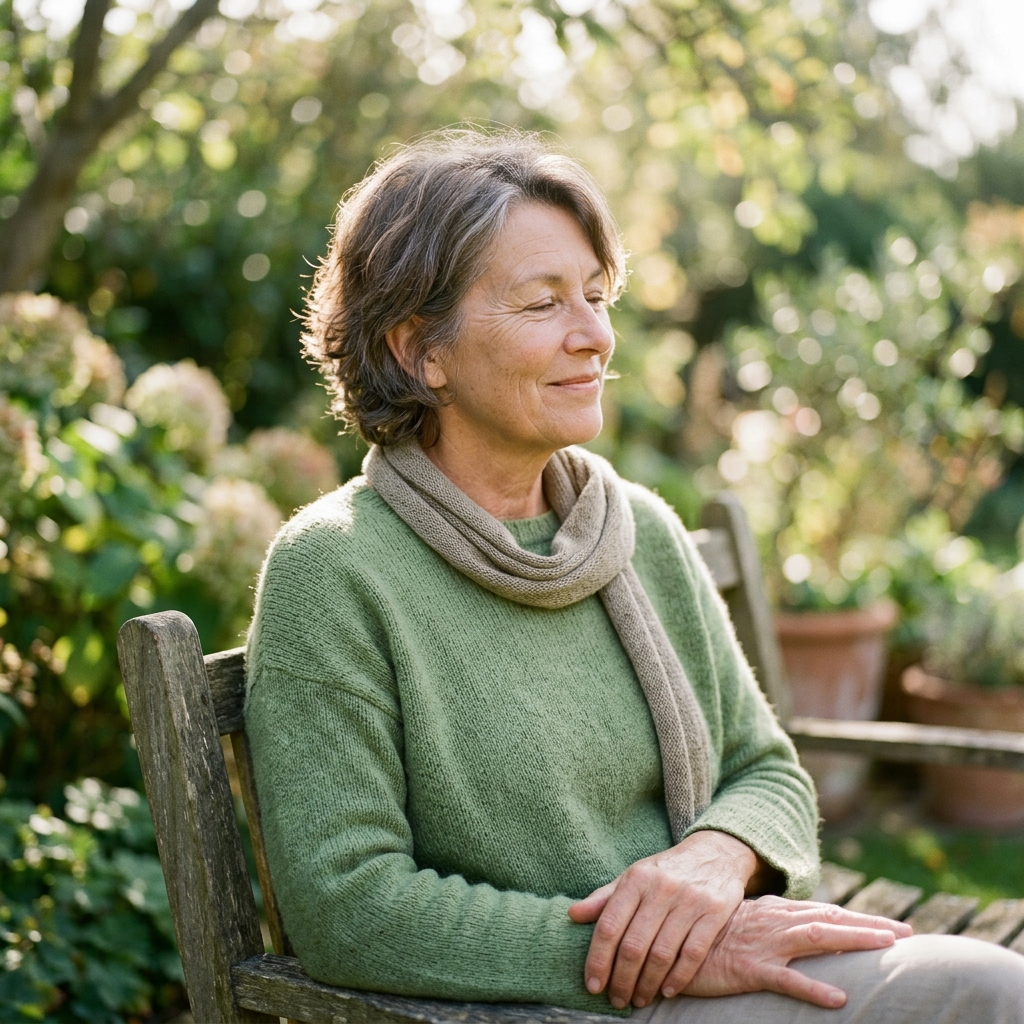
Starting again after a divorce in your 50s can feel like stepping into a different world. For many, the last time they were "on the market," the landscape of dating looked entirely different—perhaps it was a world of chance encounters at social gatherings or introductions through friends, long before the digital age took hold. Now, you find yourself at a crossroads where the experience you have gained over the decades meets the vulnerability of a fresh start. It is a unique position to be in; you possess a level of self-awareness that was likely absent in your 20s, yet the emotional weight of a long-term relationship ending can make the prospect of opening up again feel daunting.
The transition from a long-term marriage to being single in your 50s often brings a complex mix of emotions. You might feel a sense of relief and hope for the future, while simultaneously grappling with uncertainty or a fear of the unknown. It is perfectly normal to feel these contradictions. One day you may feel ready to conquer the world and meet someone new, and the next, you might feel the need to retreat into the comfort of your own routine. This emotional ebb and flow is not a sign that you are failing at "moving on," but rather a natural part of recalibrating your life after a significant upheaval.
"The goal of dating in your 50s isn't necessarily to find someone to build a life with from scratch, but rather to find someone who fits beautifully into the life you have already built."
In this stage of life, the pressure to "settle down" or meet certain societal milestones has often faded. This provides a liberating opportunity to date on your own terms. However, the importance of giving yourself time cannot be overstated. Jumping into a new relationship immediately to mask the pain of a divorce or to avoid the silence of a newly quiet house can often lead to repeating old patterns. Taking a breath and allowing the dust to settle ensures that when you do decide to share your time with someone, you are doing so from a place of genuine desire rather than a need for distraction.
Understanding Readiness and Navigating the Emotional Landscape
How do you know if you are truly ready to start dating again? It is a question without a universal answer, but there are signs that indicate you are moving toward a healthy headspace. Readiness does not mean you are completely "over" your divorce or that you never think about the past. Healing is a non-linear process, and waiting for total closure might mean waiting forever. Instead, readiness is often found in the quiet moments when you realise you are curious about other people’s stories again, or when the thought of a first date feels more like an adventure than a chore.
- Distinguishing readiness from loneliness: Are you looking for a partner because you want to share an experience, or because the silence in your home feels too heavy?
- Emotional capacity: Do you have the mental space to listen to someone else and consider their needs, or are you still heavily preoccupied with the details of your past relationship?
- Boundaries: Can you clearly articulate what you will and will not accept in a new connection?
- Self-sufficiency: Have you found a way to enjoy your own company and your own hobbies before seeking a "plus-one"?
Consider the example of someone who enters the dating scene just weeks after their decree absolute. They might find themselves constantly comparing every new person to their former spouse, or perhaps they find they are talking exclusively about their divorce on every date. This is often a sign that the "readiness" was actually a response to the fear of being alone. Conversely, consider someone who waits a year, focuses on their friendships and their career, and then decides to meet someone for a coffee with no expectations other than a pleasant conversation. This second approach often leads to more grounded and authentic connections because it isn't burdened by the weight of "fixing" the person's life.
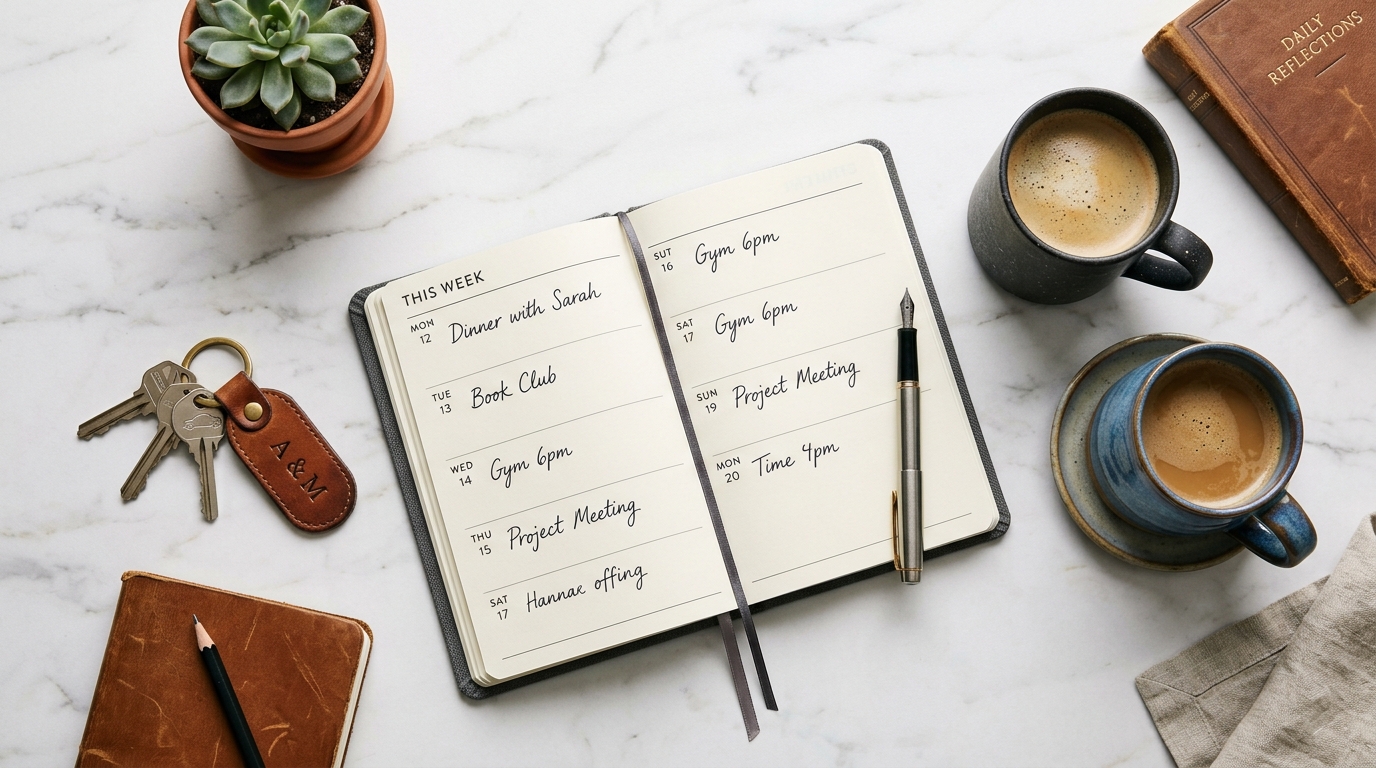
The "not rushing" philosophy is about more than just the speed at which you meet people; it is about the emotional pace. It means allowing yourself the grace to say, "I like you, but I want to take this slowly." It means keeping your Tuesday night book club or your Sunday morning walk with friends, rather than clearing your entire calendar the moment a new person shows interest. By maintaining your established routines and social circles, you protect your wellbeing and ensure that any new relationship grows alongside your life, rather than overhauling it.
Warning: Beware of the "rescue" dynamic. After a divorce, it can be tempting to look for someone who will "save" you from your circumstances or provide the emotional stability you feel you've lost. True connection thrives on equality, not on one person acting as a life raft for the other.
Practical Pacing and Building New Connections
When you do decide to re-enter the dating world, approaching it with realistic expectations is key to maintaining your peace of mind. In your 50s, everyone comes with a history—be it adult children, career commitments, or perhaps aging parents who require care. These "established lives" are not obstacles; they are the context of your new journey. Recognising that both you and your potential dates have full, complex lives can actually take the pressure off. You don't need to be everything to each other immediately.
Communication plays a vital role in this new phase. Being honest about your intentions—whether you are looking for long-term companionship or just want to meet new people and see where it goes—helps filter out those whose goals don't align with yours. This doesn't mean you need to give a full deposition on your first date. Instead, it’s about "emotional honesty." You might say, "I’ve recently gone through a divorce and I’m enjoying meeting new people at a steady pace." This sets a clear boundary while remaining open to connection.
Let’s look at a few realistic ways people navigate this:
- The Gradual Builder: Someone who feels ready to meet new people but chooses to keep dates to short, public meetings for the first few weeks. They prioritise getting to know the person’s character before integrating them into their private life or introducing them to family.
- The Rebuilding Optimist: Someone who is genuinely excited about love but remains firm on exclusivity. They might date someone for several months before deciding to commit to a monogamous relationship, ensuring that their choices are based on long-term compatibility rather than initial chemistry.
- The Trust-Conscious Single: Someone who acknowledges they have difficulty trusting after a betrayal. They choose to move at a pace that feels emotionally comfortable, being open with their partner about their need for transparency and slow progress.
Managing the fear of rejection or repeating old patterns is a common hurdle. When you have spent decades with one person, the idea of being "judged" by a stranger can feel intimidating. However, perspective is your greatest ally here. A date that doesn't lead to a second isn't a failure; it is simply a discovery that you weren't a match. In your 50s, you have the maturity to understand that rejection is rarely about your worth and usually about fit. By focusing on the process of getting to know someone—rather than the end result of "finding a partner"—you can stay present and enjoy the experience of meeting someone new.
Ultimately, dating after divorce in your 50s is about rediscovering who you are in the context of another person. It is an opportunity to apply everything you have learned about yourself, your values, and your needs. There is no stopwatch timing your progress. Whether it takes months or years to find a connection that feels right, the most important thing is that you are moving at a pace that respects your journey. By protecting your emotional wellbeing and staying true to your boundaries, you create the space for a relationship that is based on genuine companionship and mutual respect, rather than haste or necessity.